


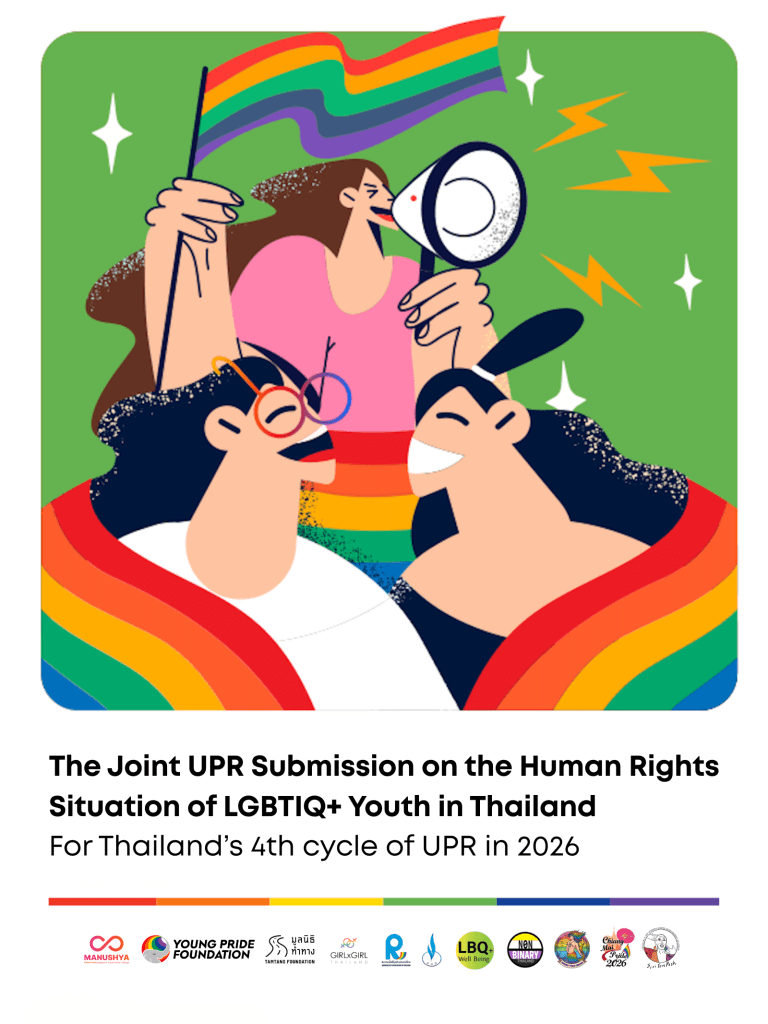
[English Below]
“แม้ภาพลักษณ์ภายนอกของประเทศจะได้รับการยอมรับว่ามีความเปิดกว้าง แต่ในทางปฏิบัติต่อเยาวชน LGBTI+ ยังคงปรากฏการเลือกปฏิบัติในหลายพื้นที่”
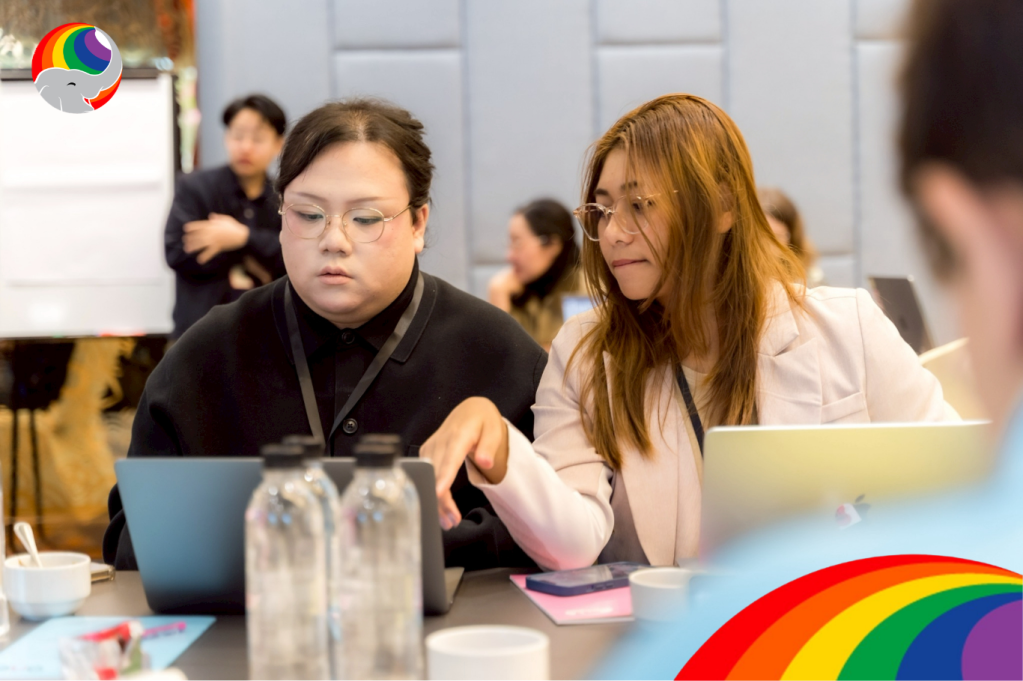
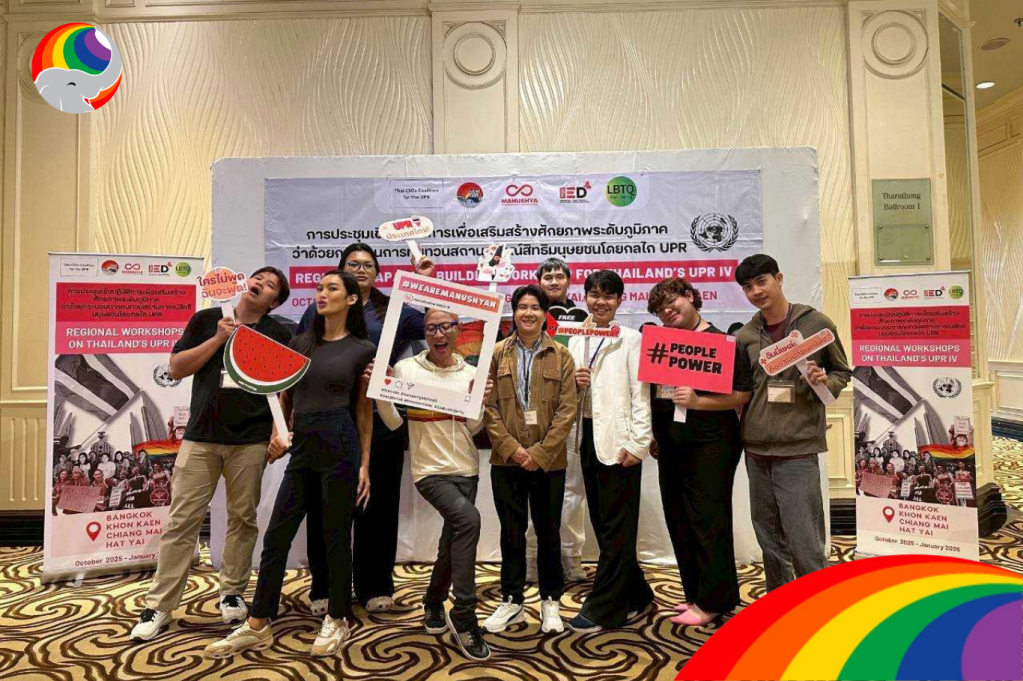
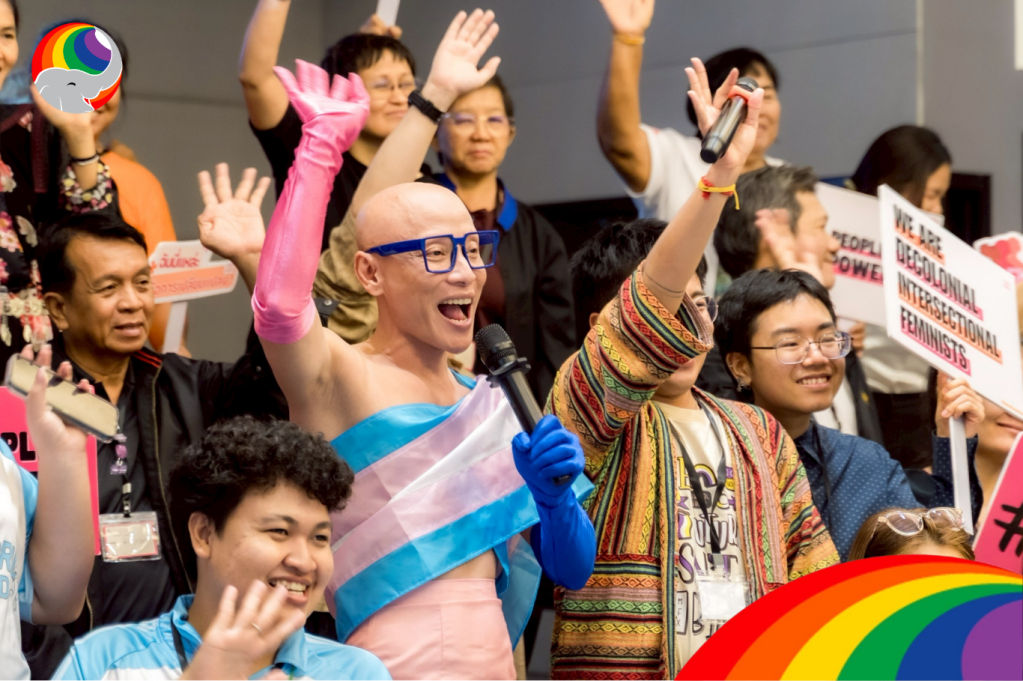
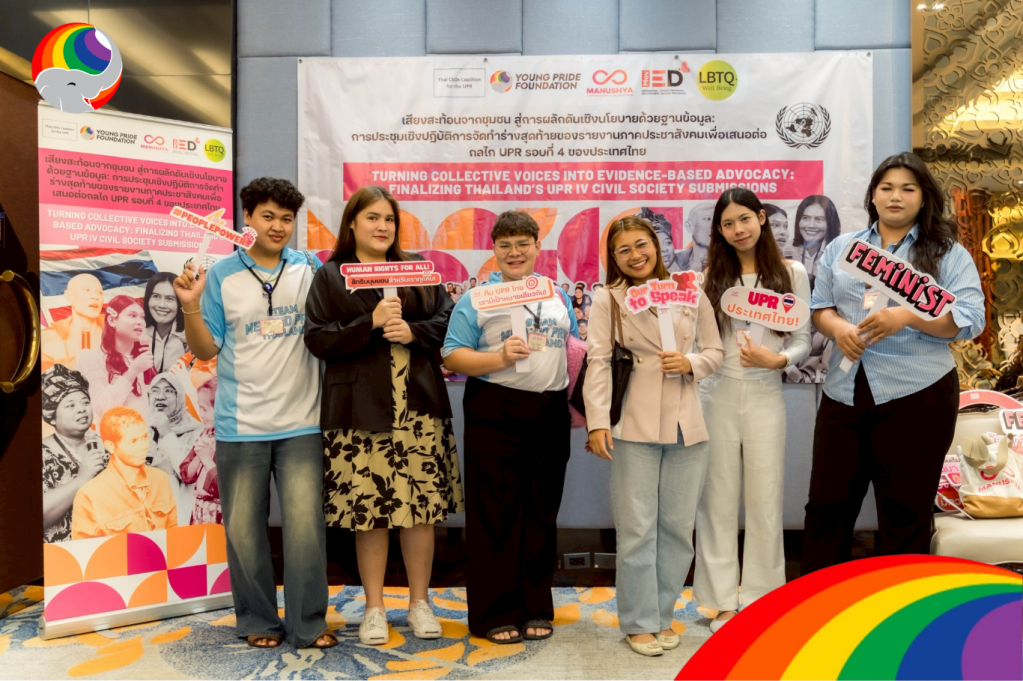
ระหว่างเดือนตุลาคม 2568 ถึงเมษายน 2569 Young Pride Foundation ได้ร่วมจัดเวิร์กช็อปเสริมสร้างศักยภาพด้าน UPR จำนวน 5 ครั้ง ทั่วทุกภูมิภาคของประเทศไทย มีผู้เข้าร่วมรวมกว่า 360 คน จากกลุ่มภาคประชาสังคมและชุมชนรากหญ้าที่หลากหลาย ภายใต้กรอบการทำงานของ Thai CSOs Coalition for the UPR โดยให้ความสำคัญเป็นพิเศษกับการมีส่วนร่วมของกลุ่มที่ถูกละเลยและไม่ได้รับการเป็นตัวแทนในกระบวนการสิทธิมนุษยชนระหว่างประเทศ
มูลนิธิยังไพรด์ร่วมกับองค์กรภาคีเครือข่ายภาคประชาสังคม อย่าง Manushya Foundation, Mermaid Pride Thailand, GIRL x GIRL, Non-Binary Thailand, Rainbow Sky Association of Thailand: RSAT, Chiang Mai Pride และ Tamtang Foundation ได้ดำเนินการยื่นรายงานร่วม (Joint UPR Submission) ว่าด้วยสถานการณ์สิทธิมนุษยชนของเยาวชนผู้มีความหลากหลายทางเพศในประเทศไทย เพื่อประกอบการทบทวนสถานการณ์สิทธิมนุษยชนตามกลไก Universal Periodic Review (UPR) รอบที่ 4 ของประเทศไทย ประจำปี พ.ศ. 2569
โดยมีรายละเอียดและข้อเสนอแนะเชิงนโยบายที่สำคัญ ดังนี้
- สถานการณ์และข้อจำกัดเชิงโครงสร้างทางกฎหมายในปัจจุบัน: เจาะลึกช่องว่างในการบังคับใช้กฎหมายความเท่าเทียมระหว่างเพศ รวมถึงการขาดกฎหมายรับรองอัตลักษณ์ทางเพศที่ส่งผลกระทบโดยตรงต่อความเหลื่อมล้ำเชิงโครงสร้าง
-
ประเด็นความท้าทายในระบบการศึกษา สุขภาพจิต และความเป็นอยู่: การมีอยู่การข้อบังคับตามกรอบสองเพศในสถานศึกษา รวมถึงการขาดแคลนสิ่งอำนวยความสะดวกที่ปลอดภัยที่เป็นกลางทางเพศ และปัญหาทางด้านการถูกกลั่นแกล้ง ตีตรา และล่วงละเมิดเยาวชน LGBTI+ ส่งผลให้เยาวชนกลุ่มนี้มีอัตราเผชิญภาวะซึมเศร้า โดยเฉพาะกลุ่มเปราะบางที่มีการทับซ้อน
-
สิทธิสุขภาพและการเข้าถึงบริการสาธารณสุข: ความเป็นจริงที่เยาวชน LGBTI+ ยังคงประสบปัญหาการถูกตีตราจากบุคลากรทางการแพทย์ การตั้งคำถามที่ละเมิดความเป็นส่วนตัว และการปฏิเสธการให้บริการ ยิ่งไปกว่านั้น ขาดการดูแลด้านสุขภาพที่สอดคล้องกับเพศสภาพ (Gender-Affirming Care)
-
ความรุนแรงและการกลั่นแกล้งบนฐานเพศในโลกออนไลน์ (Cyberbullying):สะท้อนการใช้ถ้อยคำรุนแรงบาฐานเพศ และ การปิดกั้นการมองเห็นต่อเนื้อหาหรือบัญชีของนักปกป้องสิทธิ ซึ่งความรุนแรงบนโลกออนไลน์ ทั้งหมดนี้ส่งผลกระทบต่อเนื่องทางจนทำให้เยาวชนบางส่วนต้องตัดสินใจหลุดออกจากระบบการศึกษา
ข้อเสนอแนะเชิงนโยบายต่อรัฐบาลไทย
เพื่อให้สอดคล้องกับพันธกรณีระหว่างประเทศ รวมถึงเป้าหมายการพัฒนาที่ยั่งยืน (SDGs) เป้าหมายที่ 3 และ 5 ตลอดจนแผนสิทธิมนุษยชนแห่งชาติ ฉบับที่ 5 (พ.ศ. 2566 – 2570) ภาคประชาสังคมจึงมีข้อเสนอแนะเร่งด่วนต่อรัฐบาลไทย ทั้งในด้านกฎหมาย การศึกษา สาธารณะสุข และด้านเทคโนโลยีดิจิทัล
ความเท่าเทียมและสิทธิมนุษยชนจะไม่สามารถเกิดขึ้นจริงได้ หากขาดความตระหนักรู้และการสนับสนุนจากทุกภาคส่วนในสังคม มูลนิธิยังไพรด์และภาคีเครือข่าย ขอเชิญชวนทุกท่านร่วมเป็นส่วนหนึ่งของการเล็งเห็นถึงปัญหา
สามารถเข้าถึงข้อมูลเวิร์กช็อปเสริมสร้างศักยภาพ UPR ในแต่ละภูมิภาคได้ที่นี่:
- ภาคกลางและภาคตะวันออก ตุลาคม 2568
- ภาคใต้ พฤศจิกายน 2568
- ภาคเหนือ ธันวาคม 2568
- ภาคตะวันออกเฉียงเหนือ มกราคม 2569

“Although Thailand seems open to the world, LGBTI+ youth still face discrimination in many areas in real life.”
Between October 2025 and April 2026, Young Pride Foundation and Manushya Foundation co-organized five UPR capacity-building workshops across Thailand, bringing together over 360 participants from diverse civil society groups and grassroots communities. These workshops were conducted under the framework of the Thai CSOs Coalition for the UPR, with a strong and intentional emphasis on the meaningful participation of historically marginalized and underrepresented rights-holders in international human rights processes.
The Young Pride Foundation, together with civil society network partner including Manushya Foundation, Mermaid Pride Thailand, GIRL x GIRL, Non-Binary Thailand, Rainbow Sky Association of Thailand: RSAT, Chiang Mai Pride, and Tamtang Foundation, has submitted a Joint UPR Report. This report covers the human rights situation of LGBTI+ youth for Thailand’s 4th Universal Periodic Review (UPR) in 2026.
Key details and main challenges highlighted in the report
- Legal and Structural Barriers: Look closely at gaps in using the Gender Equality Act and the lack of legal gender recognition, which directly cause structural inequality.
- Education, Mental Health, and Well-being: Strict binary gender rules in schools, lack of safe gender-neutral facilities, and bullying cause high rates of depression among LGBTI+ youth, especially those facing multiple inequalities.
- Healthcare and Access: LGBTI+ youth still face stigma from medical staff, privacy violations, and service refusal. There is also a major lack of proper gender-affirming care.
- Cyberbullying and Technology-facilitated Gender-based Violence: Hate speech and online censorship target young human rights defenders. This digital violence is so severe that it forces some youth to drop out of school.
Policy Recommendations for the Thai Government
To meet international duties, the UN Sustainable Development Goals (SDG 3 and SDG 5), and the 5th National Human Rights Plan, civil society offers urgent recommendations to the Thai government regarding laws, education, healthcare, and digital technology.
True equality and human rights cannot happen without the awareness and support of everyone in society. The Young Pride Foundation and its partners invite you to recognize these challenges and take action.
Kindly access information about our regional UPR capacity-building workshops below:
Thai Version
English Version
Report Authors
- Riddy Sonsomsuk
- Jirada Luangchinda
- Thanadon Taepha
- CSOs Coalition


Young Pride Club: กลุ่มเยาวชนเพื่อความเท่าเทียมทางเพศ