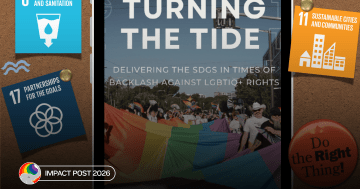
[English Below]
“ก้าวข้ามช่องว่างกฎหมายด้วยความจริง ปกป้องเยาวชน แล้วเปลี่ยนช่องว่างให้เป็นการเติมเต็มด้วยความเท่าเทียมในสังคมไทย”
ท่ามกลางหมุดหมายสำคัญทางประวัติศาสตร์ของประเทศไทยจากการประกาศใช้กฎหมายสมรสเท่าเทียม ความเป็นจริงของเยาวชนผู้มีความหลากหลายทางเพศ (LGBTIQ+) ยังคงสะท้อนให้เห็นว่าความเท่าเทียมทางกฎหมายยังไม่เพียงพอ หากสิทธิในชีวิตประจำวันยังถูกจำกัดด้วยช่องว่างด้านนโยบาย การเลือกปฏิบัติ และอุปสรรคในการเข้าถึงบริการขั้นพื้นฐาน
รายงาน The Spotlight Report on LGBTIQ+ Youth in Thailand จัดทำขึ้นเพื่อเสนอต่อรายงานทบทวนการพัฒนาที่ยั่งยืนระดับชาติโดยสมัครใจ (Voluntary National Review: VNR) ครั้งที่ 3 ของประเทศไทย ประจำปี 2025 นับเป็นครั้งแรกที่เยาวชนผู้มีความหลากหลายทางเพศของประเทศไทยมีส่วนร่วมในการจัดทำและเสนอรายงานคู่ขนานต่อกระบวนการ VNR เพื่อสะท้อนสถานการณ์สิทธิมนุษยชนของเยาวชน LGBTIQ+ ผ่านข้อเท็จจริง ข้อมูลเชิงประจักษ์ และข้อเสนอเชิงนโยบายที่เชื่อมโยงกับเป้าหมายการพัฒนาที่ยั่งยืน (SDGs)
ประเด็นท้าทายและวิกฤตสิทธิมนุษยชนที่ตีแผ่
- SDG 3 การมีสุขภาพและความเป็นอยู่ที่ดี (Good Health and Well-being): สะท้อนวิกฤตสุขภาพจิต และกำแพงสาธารณสุขที่เยาวชนห่างไกลยังเข้าไม่ถึง
- SDG 4 การศึกษาที่มีคุณภาพ (Quality Education): เจาะลึกปัญหาความรุนแรง การกลั่นแกล้ง (Bullying) และกรอบระเบียบเครื่องแบบ-ทรงผมในสถานศึกษาที่ยังไม่สอดรับกับอัตลักษณ์ทางเพศ
- SDG 8 การจ้างงานที่มีคุณค่าและการเติบโตทางเศรษฐกิจ: วิเคราะห์อคติในตลาดงานที่ปิดกั้นโอกาสและความก้าวหน้าของคนข้ามเพศ รวมไปจนถึงสวัสดิการรัฐที่อ้างอิงแบบเพศทวิลักษณ์
- SDG 10 การลดความเหลื่อมล้ำ: สะท้อนการต่อสู้กับการเลือกปฏิบัติเชิงโครงสร้างและการตีตราของสังคม
การผลักดันสิทธิของผู้มีความหลากหลายทางเพศไม่ได้หยุดอยู่เพียงการสะท้อนสถานการณ์ของประเทศไทย แต่มูลนิธิยังไพรด์ยังได้ร่วมขับเคลื่อนข้อเสนอเชิงนโยบายในระดับนานาชาติ เพื่อผลักดันให้สิทธิมนุษยชนของผู้มีความหลากหลายทางเพศได้รับการบรรจุเป็นส่วนหนึ่งของการพัฒนาที่ยั่งยืนในระดับโลก
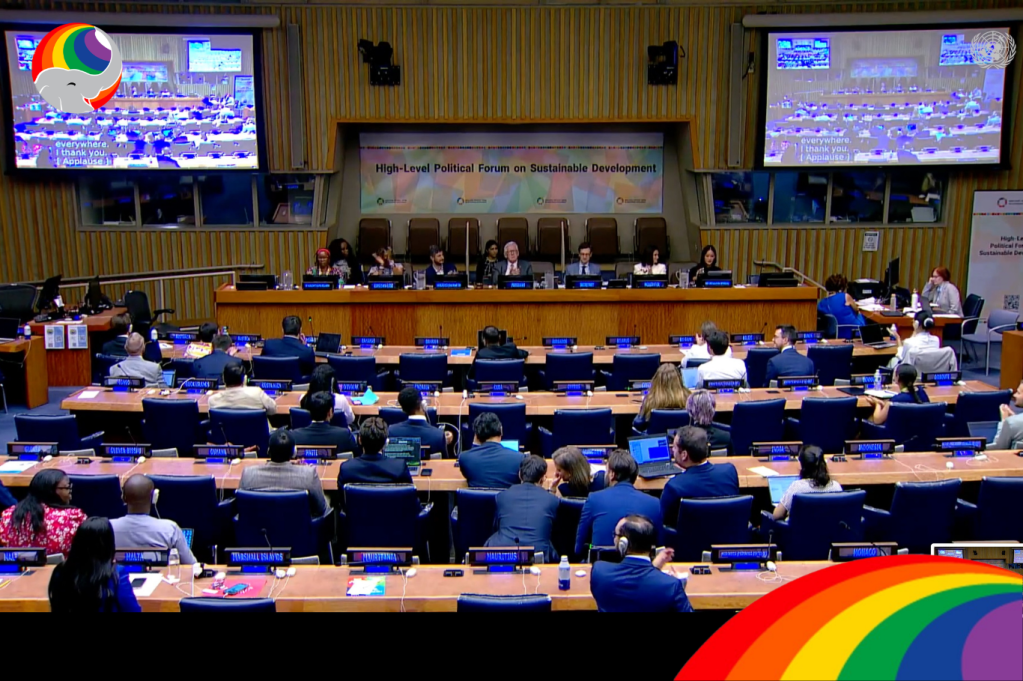
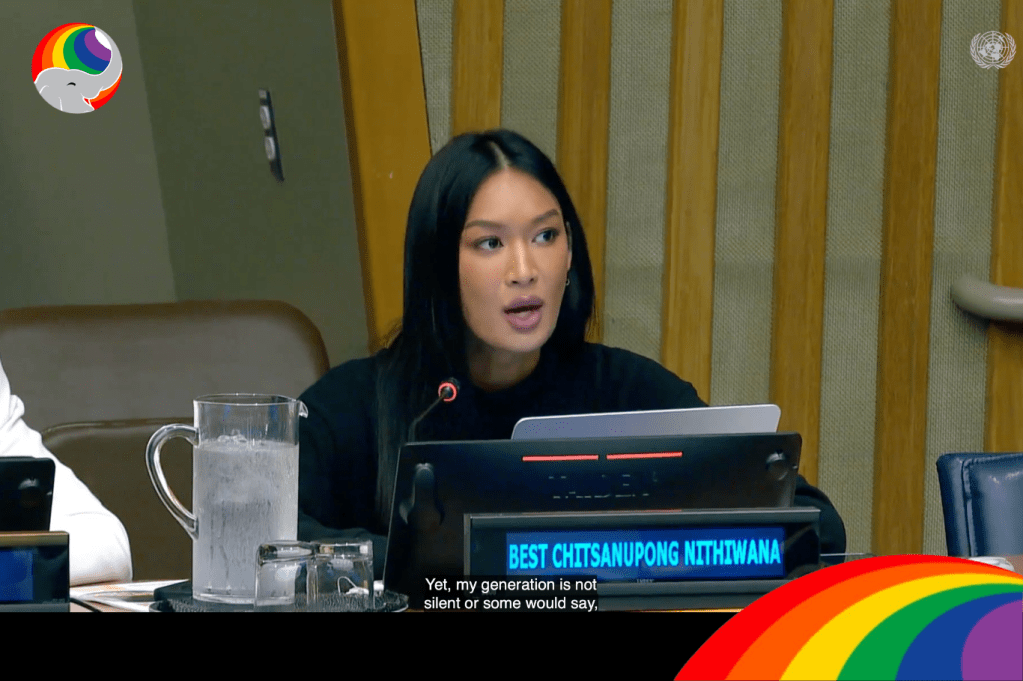
ในปีเดียวกัน คุณเบส ชิษณุพงศ์ นิธิวนา ผู้อำนวยการมูลนิธิยังไพรด์ และ Human Rights Officer จาก GATE ในฐานะผู้แทน LGBTI Stakeholder Group ได้ร่วมแถลงการณ์ในงาน HLPF 2025 ณ สำนักงานใหญ่สหประชาชาติ โดยเรียกร้องให้ SDG 5 (Gender Equality) ครอบคลุมคนข้ามเพศและ LGBTQIAN+ พร้อมย้ำว่าความยั่งยืนที่แท้จริงต้องไม่ทิ้งใครไว้ข้างหลัง
รับชมบันทึกการประชุม : High-Level Political Forum 2025
ควบคู่กันนั้น ยังได้เผยแพร่ Position Paper ภายใต้หัวข้อ “INCLUSIVE PROGRESS: Centering LGBTI+ Inclusion and Human Rights in the 2030 Agenda“ ซึ่งนำเสนอข้อค้นพบและข้อเสนอเชิงนโยบายจากเครือข่ายภาคประชาสังคมระดับโลก เพื่อประเมินความก้าวหน้าและชี้ให้เห็นอุปสรรคเชิงโครงสร้างที่ผู้มีความหลากหลายทางเพศยังคงเผชิญในการบรรลุเป้าหมายการพัฒนาที่ยั่งยืน
แม้ประเทศไทยจะก้าวหน้าในหลายด้าน แต่ทั้งรายงาน The Spotlight Report on LGBTIQ+ Youth in Thailand และ Position Paper: Inclusive Progress ต่างสะท้อนข้อเท็จจริงเดียวกันว่า การบรรลุความเท่าเทียมอย่างแท้จริงยังต้องอาศัยการปฏิรูปกฎหมาย นโยบาย และระบบบริการสาธารณะควบคู่กับการรับฟังเสียงของผู้มีความหลากหลายทางเพศในทุกระดับ
เพราะการพัฒนาที่ยั่งยืนจะเกิดขึ้นได้ ก็ต่อเมื่อทุกคนได้รับการคุ้มครองสิทธิและศักดิ์ศรีอย่างเท่าเทียม และไม่มีใครถูกทิ้งไว้ข้างหลัง

“Bridging the Gap Between Law and Lived Realities: Protecting LGBTIQ+ Youth and Advancing Equality in Thailand.”
While Thailand has reached a historic milestone with the enactment of marriage equality, the lived experiences of LGBTIQ+ youth demonstrate that legal recognition alone is not enough. True equality remains unattainable when everyday rights continue to be limited by policy gaps, discrimination, and barriers to accessing essential public services.
The Spotlight Report on LGBTIQ+ Youth in Thailand was prepared as a civil society submission to Thailand’s Third Voluntary National Review (VNR) 2025. It marks the first time that LGBTIQ+ youth in Thailand have participated in developing and submitting a parallel report to the VNR process, bringing forward evidence-based findings, lived experiences, and policy recommendations that contribute to the implementation of the Sustainable Development Goals (SDGs).
Key Human Rights Challenges
SDG 3 – Good Health and Well-being
Highlights the growing mental health crisis among LGBTIQ+ youth and the persistent barriers preventing young people, particularly those in rural and remote areas, from accessing inclusive and quality healthcare services.
SDG 4 – Quality Education
Examines school-based violence, bullying, and restrictive regulations on uniforms and hairstyles that fail to respect students’ gender identity and gender expression.
SDG 8 – Decent Work and Economic Growth
Analyzes discrimination in employment, barriers that limit career opportunities for transgender people, and state welfare systems that continue to rely on binary gender classifications.
SDG 10 – Reduced Inequalities
Explores structural discrimination, social stigma, and the systemic inequalities that continue to affect LGBTIQ+ communities.
Advocating for the rights of LGBTIQ+ people does not end with documenting the situation in Thailand. Young Pride Club Foundation has also contributed to advancing policy advocacy at the international level, promoting the meaningful inclusion of LGBTIQ+ rights within the global sustainable development agenda.
That same year, Best Chitsanupong Nithiwana, Director of the Young Pride Foundation, alongside a Human Rights Officer from GATE, delivered a statement as representatives of the LGBTI Stakeholder Group at HLPF 2025 at the UN Headquarters. They called for SDG 5 (Gender Equality) to explicitly include transgender and LGBTQIAN+ individuals, emphasizing that true sustainable development cannot be achieved if anyone is left behind.
Watch the recording : High-Level Political Forum 2025
Alongside this engagement, the Foundation also contributed to the Position Paper, “INCLUSIVE PROGRESS: Centering LGBTI+ Inclusion and Human Rights in the 2030 Agenda” which presents evidence and policy recommendations from the global LGBTI civil society movement. The paper assesses global progress while identifying the structural barriers that continue to hinder the realization of the Sustainable Development Goals for LGBTI+ communities worldwide.
Although Thailand has made significant progress toward legal equality, both the Spotlight Report on LGBTIQ+ Youth in Thailand and the Position Paper: Inclusive Progress convey the same message: achieving substantive equality requires more than progressive legislation. It demands comprehensive legal and policy reforms, inclusive public services, and the meaningful participation of LGBTIQ+ people in decision-making at every level.
Sustainable development can only be realized when the rights, dignity, and equal opportunities of every person are fully protected and when no one is left behind.

Young Pride Club: กลุ่มเยาวชนเพื่อความเท่าเทียมทางเพศ
About The Author